ig-mcp-server connects AI assistants to eBPF observability tools
ig-mcp-server, from Inspektor Gadget, connects AI assistants to low-level system observability by exposing eBPF inspection tools to MCP-compatible models. The server maps AI queries to operational diagnostics and streams live telemetry into the assistant for immediate analysis, supporting natural-language troubleshooting. It registers gadget functions, works with containerized and host Linux environments, and targets DevOps engineers, Site Reliability Engineers, and developers who use AI coding assistants for cluster debugging and performance tuning.
What tasks can you actually use it for?
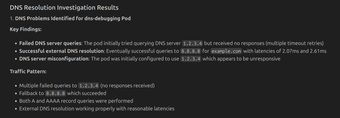
The server enables task-based, conversational diagnostics where an assistant can help locate runtime problems without manual flag recall. Practical outcomes include asking the assistant to search for socket errors across pods, identify latency hotspots by running short profiles, or examine file-access patterns on a host. These tasks produce actionable telemetry because the server delivers live traces and profiling data from eBPF programs directly into the model for analysis.
How reliable are the observability outputs for decision making?
Reliability depends on the fidelity of the underlying eBPF gadgets and the access scope the server is given. Because the server forwards real-time telemetry from eBPF programs, the model’s analysis reflects the raw trace data it receives; that means noisy or partial traces limit the assistant’s usefulness. The project notes that permissioned execution and operator review remain necessary when using AI-driven diagnostics in critical environments.
What input and environment requirements restrict its use?
Use requires an MCP-compatible client and a Linux environment or Kubernetes cluster where the ig or kubectl-gadget binaries run. The server does not bundle Inspektor Gadget, so teams must install those tools separately. Production debugging is possible only when the AI client has the necessary network access and permissions to reach cluster APIs and run eBPF programs.
Does it fit into SRE workflows and the cloud-native ecosystem?
The implementation builds on a CNCF Sandbox project and integrates with existing Inspektor Gadget toolchains, which helps adoption for teams already using those tools. Early adopters and GitHub engagement indicate community interest. Practical fit favors groups that accept gateway execution of observability commands and maintain operator oversight of AI-driven runs.
A practical option for permissioned, AI-driven system inspection
ig-mcp-server is a practical choice for DevOps teams and SREs who want assistant-driven diagnostics tied to existing eBPF toolchains. Expect dependence on installed observability binaries and operator oversight for secure execution. The server suits teams that prioritize integrating conversational diagnostics into established workflows rather than substituting manual analysis entirely.
Pros
Exposes eBPF telemetry to MCP clients for live model analysis
Compatible with Kubernetes clusters and standalone Linux hosts
Registers existing Inspektor Gadget gadgets as callable functions
Built on a CNCF Sandbox project with community engagement
Cons
Requires ig or kubectl-gadget binaries installed separately
Security hinges on granted execution permissions and network access
Needs an MCP-compatible client such as Claude Desktop
AI findings require human validation before production changes
Laws concerning the use of this software vary from country to country. We do not encourage or condone the use of this program if it is in violation of these laws. Softonic may receive a referral fee if you click or buy any of the products featured here.